Love, Laughter, and Literacy

Keeping Children and experiences at the heart of your home.

  • Home
  • Language Development
  • Reading
  • Sight Words
  • Writing
  • Experiences
  • Reggio Emilia
  • About
    • About EarlyChildhoodLiteracy.Net
    • Privacy Policy
  • Contact Me

Reggio Inspired: Exploring Trees Through Inquiry Unit

March 14, 2016 by Becca Leave a Comment

It’s time to start my Reggio Inspired Exploring Trees Through Inquiry unit.  I absolutely love teaching this unit with my kindergarten students and I’ve found that Spring is a great time to begin this unit in kindergarten.  It is such a fun unit that is packed with science, reading, writing, questioning, and excitement!  The unit is available in my Teachers Pay Teachers store.  Click here to go over to the store.

Exploring Trees Through Inquiry

Spring is a great time to start this unit because kids are more capable at this time of the year.  Fall seems a bit crazy with apple and pumpkin themes, and by the time Spring rolls around, the kids are really able to understand what it means to work like a kindergartner.  The kids in my kindergarten class are able to focus longer, document their learning, write full sentences, label their drawings, and communicate better with their classmates.

To start this unit, I asked parents to take their kids on a nature walk and start collecting things from trees.  The excitement started there, with their parents (their first and best teachers), and absolutely exploded.  I let their questions guide our learning and the direction of our lessons.  I documented the lessons that we did for the Teachers Pay Teachers Exploring Trees Through Inquiry Unit.  Your lessons with a class or with your children at home may not be exactly like mine, but I wanted people to have a glimpse into what our unit looked like.  Inquiry can be different for each child, but at least this is a starting point.

Exploring Trees Through Inquiry

Speaking of starting points, children’s books are always a great starting point for new units of study in my classroom and with my kids at home.  In my classroom, I use a display shelf where I set up all of our books.  It’s right next to our nature table and it’s a favorite spot to explore .  In my home, I always set up baskets of books for my kids.  I’m sure you remember that saying from Field of Dreams, “If you build it, they will come.”  Well, it’s true with children’s books too.  If you set up a place for learning and provide them with the books, they will come.  My daughter, especially, would always gravitate toward a new basket of books that was set out in the living room.

tree books


It’s time to start planning, Friends!  Spring is just around the corner and the Tree Unit is a perfect place to start!


Filed Under: Favorite Books, Inquiry Units Tagged With: Inquiry, Reggio Emilia, Reggio Inspired, science, tree unit

Honey Tasting and Bees

March 13, 2016 by Becca Leave a Comment

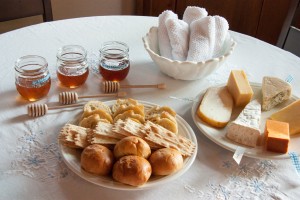
honey tasting resized_edited-1

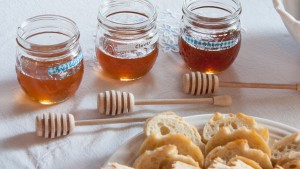
Not too long ago, I hosted a dinner party and the theme of the party was honey.  Every recipe used had honey as an ingredient.  I went to one of the “fancy” grocery stores in our area and they had several different types of honey to purchase.  I decided to get clover, raspberry, and blackberry honey.  Then I went over to the cheese department and they helped me purchase different cheeses to pair with the variety of honey. When I got this home and set up for my party my kids were so interested in the different flavors of honey.  I have to admit, I was surprised too by the strong flavors in the different honey varieties.


honey table

Honey Tasting Table

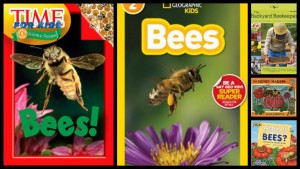
The excitement that came out of my youngest, around tasting these different types of honey, inspired her to learn more about bees.  I brought out the bee books that I have in my collection and she started reading.  At first she’d kind of shudder at the thought of these little critters, but eventually she thought it was kind of interesting.

Recently Updated

Bee Books


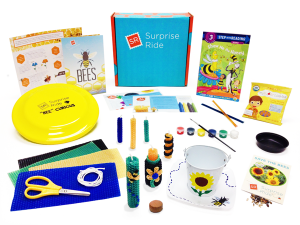
We even ordered the Surprise Ride Bee Box, which was filled with different activities and book related to bees.  I think my daughter’s favorite activity was making the beeswax candles.

surprise ride bee box

Surprise Ride Bee Box

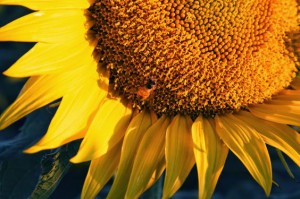
Later that year, we went to visit my cousin’s farm over in Eastern Washington.  He had planted 65 acres of sunflowers and had a bee keeper bring in boxes, and boxes, and boxes of bees.  The bees were very busy doing their job and you could just walk right through the sunflowers and the bees didn’t even seem to notice us.  They were as busy as… well, bees!


sunflower with bee


I’m starting to think of bee and honey provocations that I can use in my classroom to inspire kids to learn more about bees during our Spring planting unit.  I think they would really get excited!  I know bees aren’t the most appealing insects to kids, because of the fear factor, but I love it when kids realize that there is a bigger purpose to something and start to notice the important role that bees play in many different ways.  I think honey tasting is a great way to start this off!

Happy honey tasting!

Filed Under: Experiences, Inquiry Units, Language Development, Reggio Emilia Tagged With: bees, Experiences, s, science

Reading Nooks

March 9, 2016 by Becca Leave a Comment

If I ask kids in my kindergarten classroom to grab their book bags and start reading, they will immediately ask, “Can we go anywhere in the room?”  I know what they really mean by this question.  They want to know if they can squeeze themselves into little nooks and corners around the classroom, with a pillow and a stuffed animal.  Kids love reading nooks!  I know I did when I was younger.  I made a little reading nook in between my bed and nightstand, with a few comfy floor pillows and a lamp.  I wasn’t much of a reader when I was younger, but I did my homework in this little nook for years.

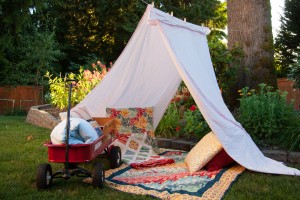
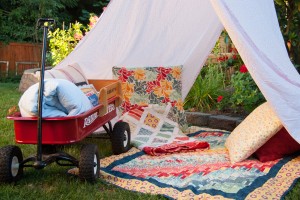
These days, I’m always thinking about spots that my kids will love to read.  My daughter still loves creating little reading nooks at home, and I’m always on the lookout for new ideas to use at school.  Here’s a SUPER simple tent to make on a nice Spring or Summer day.  I made this with a couple of sheets, a clothes line, and some quilts and pillows.  The wagon holds extra books and pillows.

Reading Fort Full Shot

Reading Fort Close Up

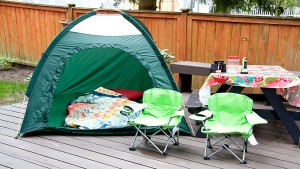
Our mini tent has been used for years as a pop up reading nook.  I use it in my classroom for Camp Read-A-Lot too.  Believe me when I say that this is the FAVORITE spot for all kids to read.

camping reading nook

outdoor or indoor reading nook, camping tent


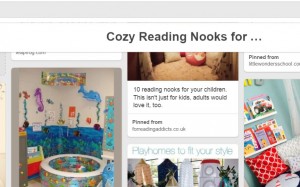
I’ve been pinning ideas on Pinterest for cozy reading nooks for kids.  Here is the link to my Pinterest board.  People are just so creative!

cozy reading nooks

Pinterest board reading nooks for kids

From blow up pools, old tires, and even a boat…  to tents, pillows, and forts… people make the coolest reading nooks for kids!

Happy reading and happy creating!


Filed Under: Reading Tagged With: activities at home, classroom, early childhood classroom, Home Environment, Reading, reading nooks

Creating a Writer’s Notebook in Kindergarten

March 3, 2016 by Becca Leave a Comment

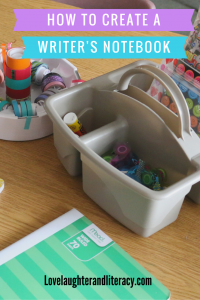
How to create

My last post explained what writer’s notebooks are (and what they are not).  Now I’m going to show you how to make them in your classroom.  Let me tell you, up front, that my kids were SO excited about these notebooks.  They are simple composition notebooks, but once kids had the chance to personalize them, they became our most powerful writing tools.

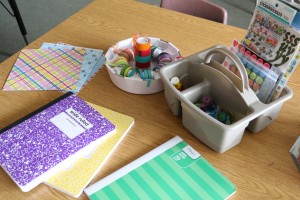
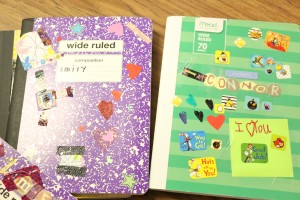
I started off by begging parents for materials.  I had already purchased the composition notebooks before the school year started, so I asked parents if they could donate stickers, pretty scrapbook papers, different colors and patterns of tape, sticky notes, and envelopes.  I let the kids use Sharpies because regular markers smear on the journals.  I didn’t give the kids any rules other than to simply make their writer’s notebook their own and decorate the cover and back with things that will inspire them.


IMG_7768

Mission accomplished.


IMG_7778


Now, we’re ready to add the meat and potatoes to our writer’s notebooks.  I’m working on a mini-webinar to show you how  to do this and how to use writer’s notebooks in a homeschool or primary grade setting. (Yes, you can even use these in kindergarten!!)  I have booklists, lesson ideas, and supply lists to inspire you and your buddy author.  I’ve gone from a person who dreaded writing as a child, to a teacher who is passionate about helping kids love writing.  I’ve also learned to love writing myself and I really believe writer’s notebooks have been a key piece to that inspiration.  I can’t wait to share my work with you and I hope it inspires you and your kids to get writing!

Happy creating!

Filed Under: Uncategorized, Writing Tagged With: Writer's Notebooks, Writing, writing at home, writing in kindergarten

What is a Writer’s Notebook?

March 2, 2016 by Becca Leave a Comment


I little over 6 years ago I decided to live like a writer.  I had a passion for teaching young writers in the classroom and I was constantly encouraging them to live like writers, but I didn’t actually spend much time writing for myself.  I decided it was time to walk the walk AND talk the talk, so I started a blog.  The title of my blog, Home Is Where My Story Begins, had many different meanings to me.  First off, I love everything about home and family.  Home is my happy place and I love making it a place my family members love too.  Home is the place that I feel I can help families make a difference in their lives.  If I can encourage someone to start a garden, cook from scratch, or learn to thread their sewing machine, I feel like I’m helping them improve the quality of their life.  I also believe that there is a story to tell behind every project, garden, or recipe and I wanted to tell my story.  I wanted to share my story in a writerly way through pictures and words.  You see, home really is where my story begins.

October 2015 2

The first thing I did when I decided to start my blog was buy a blank book.  This would be my Writer’s Notebook and it would go everywhere with me.  It was small enough to fit into my purse and I found that once I started using it, it became an extension of me.  I started seeing things as stories.  Everything became an idea for a blog post.  I took my kids to the zoo and started writing posts about animal experiences and their importance.  I dug up potatoes in my garden and snapped pictures because I know people would love to learn to grow their own food.  I ate a cinnamon roll at a family gathering and just knew I needed to tell the story of my grandma’s rolls.  I started living like a writer.

I think artists and photographers see things differently, much like writers.  When I started blogging, I knew that I would need beautiful photos to go along with my posts.  As I learned more about photography, I started seeing ordinary things in a new light.  Tree branches framing a barn became an irresistible image.  Fruits and veggies from the farmer’s market were calling out to by styled.  While photographers can take a picture to preserve the memory, writers need a place to jot things down to remember for later.  That’s where the writer’s notebook comes into play.

When I talk to teachers about what writer’s notebooks are and the purpose they have in my classroom, I begin by explaining what they are not.  A writer’s notebook is not a reading response journal.  It’s not a place to answers specific questions or write about inferences they are making in the story.  It’s not a diary where there is just a constant stream of thought, ranging from the weather to breakfast foods to friendship issues.  A writer’s notebook is special.  It’s meant to be something that belongs to writer, and not the teacher.  A teacher may make suggestions about what to put in the notebook, but each writer’s notebook will be personal.

So, what DO you put in a writer’s notebook?  Reactions.  Feelings.  Moments. Writers, photographers, and artists are just normal people, but they experience things in a different way.  While a walk down the street is an ordinary activity for regular people, it is extraordinary for a writer.  A writer notices the flowers, bees, people, the sound of cars, and the feeling of the wind blowing.  (I’m still training myself to be more mindful and think like this.) Writers need a place to write these things down. They need to react and wonder.  Now, each one of these things does not need to become a story in itself, but a writer may choose to use these experiences within a piece of writing.

Over the years, I’ve had many different types of writer’s notebooks.  I have had small spiral memo pads, plain leather books, journals with lined pages, and (my favorite) journals with a mix of lines and no lines with places for sketches, lists, and big ideas.

image

image


My writer’s notebook is a powerful tool to help me connect writing and living, to help me remember (I think memory really goes down hill after the age of 40), and to help me appreciate.

The kids in my kindergarten class have just started their writer’s notebooks.

IMG_7778

I can’t wait for them to live like writers!  If you don’t have a writer’s notebook, I’d encourage you to grab a book – any book.  It’s time to start living a writerly life!

Happy writing!

Filed Under: Uncategorized, Writing Tagged With: Writer's Notebooks, Writing

Reggio Inspired Exploration

February 25, 2016 by Becca Leave a Comment

Setting up Reggio Inspired activities in the classroom has been easy for me to do on a small scale, at home with my own kids or as a single “station” during our kindergarten center time.  Thinking about Provocations and Reggio Inspired work on a larger scale has always been a bit more intimidating for me.  I was inspired by the You Tube video that Joanna Babalis shared of her classroom and their Inquiry Spaces.  Her children move freely, throughout the classroom, choosing which Inquiry Space they wish to explore.  I decided to try out multiple Inquiry Spaces in the classroom during this past week.

Tree Provocation 2

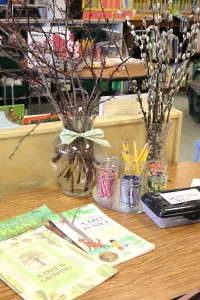
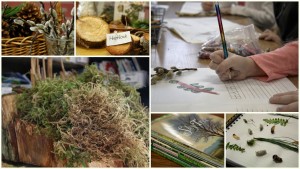
I collected branches from a flowering cherry tree and purchased some Pussywillow branches from the garden center.  The branches, along with a few books, some magnifying glasses, and some watercolor pencils were all we needed to get started here.  I was hoping to engage the kids’ sense of wonder in this space.  We put the cherry branches in water and left the Pussywillow branches dry.  As the days went on, a few kids started to question why we didn’t give both branches some water and several kids noticed the changes in the cherry blossoms.

Tree Provocation

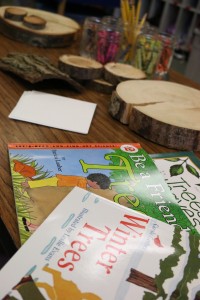
At another small table, we displayed a few books, some bark, and several different tree rounds.  I also had some small paper and crayons for kids to draw and document what they saw.  To me, this seemed like a table that would not be chosen as frequently as the others, but I was surprised by how many kids stopped here to explore for a while.

IMG_7746

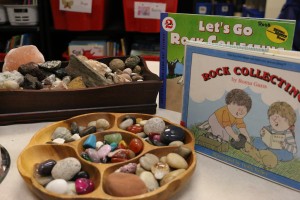
The rocks have already provided hours of exploration and learning in our classroom this year.  Recently kids started asking if they can add to the rock collection, so we started talking about what we needed to begin a rock collection.  The books served as great springboards.  Kids enjoyed sorting our rocks and many kids decided they would start their own rock collections at home.

There were many other Inquiry Spaces set up around the room too.  We had sea shells and books at the light table.  There were pinecones of every different size and shape with some “how to draw” books for inspiration.  The favorite station was the clay sculpting station.  Kids were trying to replicate different dinosaurs.  Now, you must know, that I know nothing about dinosaurs but I have a student in my class who knows every fact imaginable.  He became the expert in this space and the kids learned so much from him.

Sometimes our Reggio Inspired spaces feel like true Provocations.  We begin with questions and plan activities around those questions to help kids engage their sense of wonder, explore, find more questions, and maybe even find an answer or two.  Other times our Reggio Inspired spaces are just that.  They are Inspiring.  We set out materials for kids to explore and then they start asking questions.  I’m not sure if there is a right or wrong way, according to the great minds in Reggio Emilia, but these spaces in our classroom certainly felt like a success to me.

Whether you start with a question or simply start with exploration, I know kids will become excited to learn more and that’s really what it’s all about.

Happy exploring!

Filed Under: Experiences, Inquiry Units, Language Development, Reggio Emilia Tagged With: Inquiry, Inquiry Spaces, Language Development, Reggio Emilia, Reggio Inspired, science, tree unit, Trees

Gardening and Reggio Inspired Provocations

February 18, 2016 by Becca Leave a Comment

It’s been warm and rainy, here in the Pacific Northwest, for the past few weeks.  The weather has me really thinking about garden projects.

My kids are great at helping me in the garden.  We spend time weeding, adding compost, planting flowers, and adding vegetable starts to the vegetable garden.


At home, I rotate the kids’ books that we have on display.  I keep a basket of gardening magazines in the corner of our family room. I love to be able to grab some gardening inspiration and start looking for new ideas. This is the place I also display a few of my kids’ gardening books.


I pull out every book I own on gardening and add them to the gardening corner.  I have a variety of fiction and non-fiction, easy readers and read-to-me books.  My daughter is in 5th grade and still enjoys picture books.  It’s amazing how she chooses to read when the books are displayed, rather than on the bookshelf upstairs.  We are also able to talk about the books and how they relate to our own gardening experiences.  Building SCHEMA (background knowledge and experiences) is so important in early literacy!

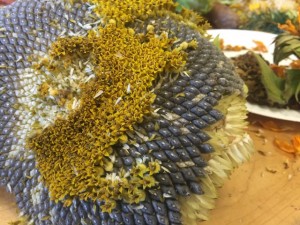
I’ve been trying to decide which type of plant/seed/garden provocations I’m going to set up in the classroom. We explored sunflowers in the fall.

Sunflower garden

I know I will have to include a sensory garden in our classroom.

Sensory Garden

There will be many tree-related provocations.

inquiry tree collage

My tree unit is available on Teachers Pay Teachers.

You can also check out my Reggio Emilia board on Pinterest for  lots of gardening and Reggio Inspired ideas for your home or classroom.  I’ve been pouring over my Pinterest boards lately, trying to get new ideas for my classroom and some inspiring projects for my daughter, at home.

Spring will be here before we know it!  It’s time to start planning.
Happy gardening…  and reading!
Posted by Picasa

Filed Under: Experiences, Inquiry Units, Reading, Reggio Emilia, Uncategorized Tagged With: activities at home, garden, Home Environment, Kindergarten, Provocations, Reading, Reggio Emilia, Reggio Inspired

How to Create a Home Writing Center for Young Writers

February 16, 2016 by Becca Leave a Comment

One of my most popular posts on my homelife blog was on creating a home writing center.  This was a very easy project to put together and has seen YEARS of use.  I wrote this post, initially, when me daughter was in kindergarten.  She’s now in 5th grade.  In the beginning, this was hung in the kitchen and used daily.  As the kids grew up, it has now been moved to my daughter’s room.  She uses it most often when her friends are over and they want to write a song, a play, or a book.  I thought it was worth a re-post on the literacy blog.*******

Here’s the original post.


My kids love to write, especially my daughter.  She’s always getting into my cupboards, looking for envelopes, sticky notes, or paper.  The kids have their own art cupboard, but for some reason, they like my things best.  Today we created a writing center, just for the kids.

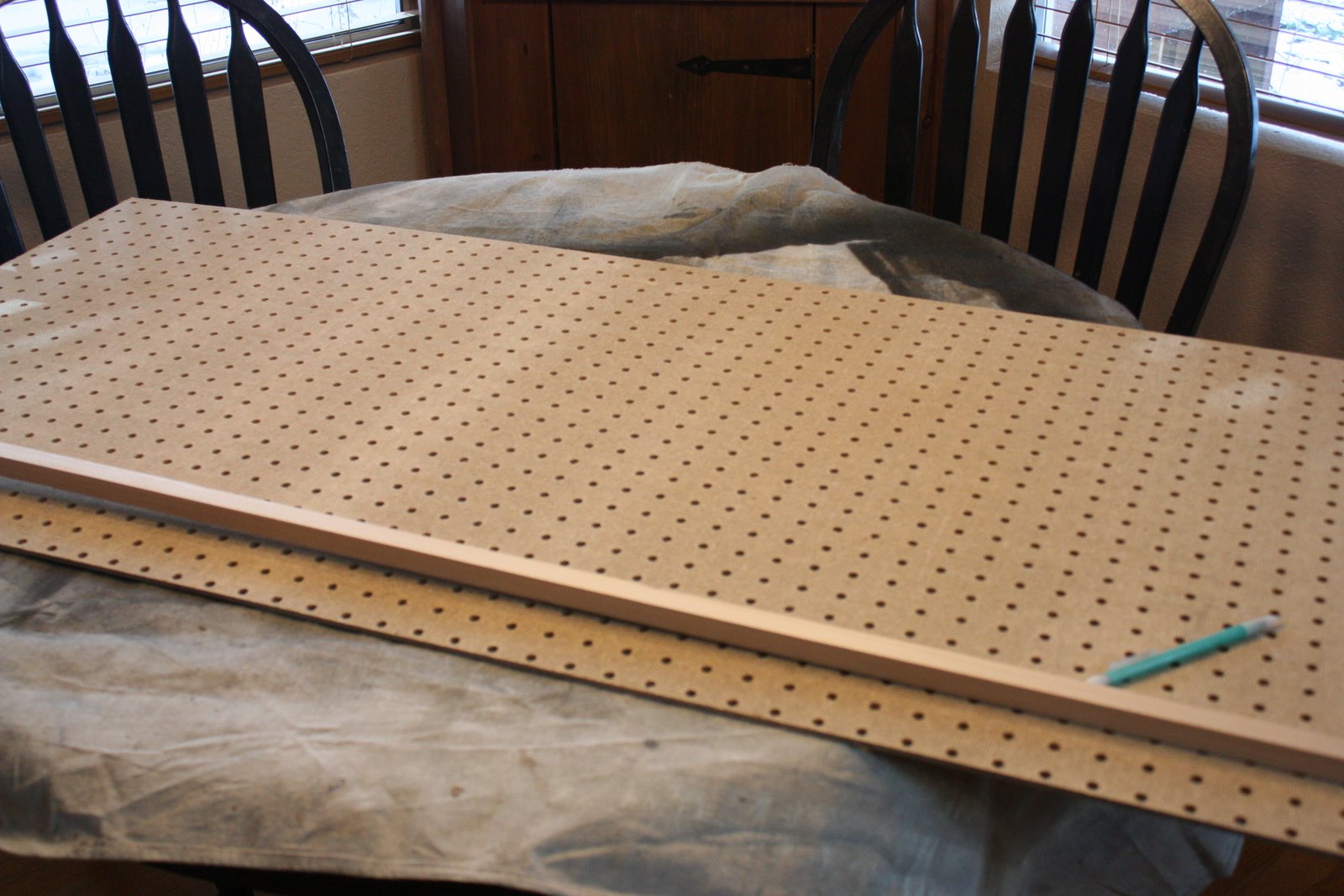
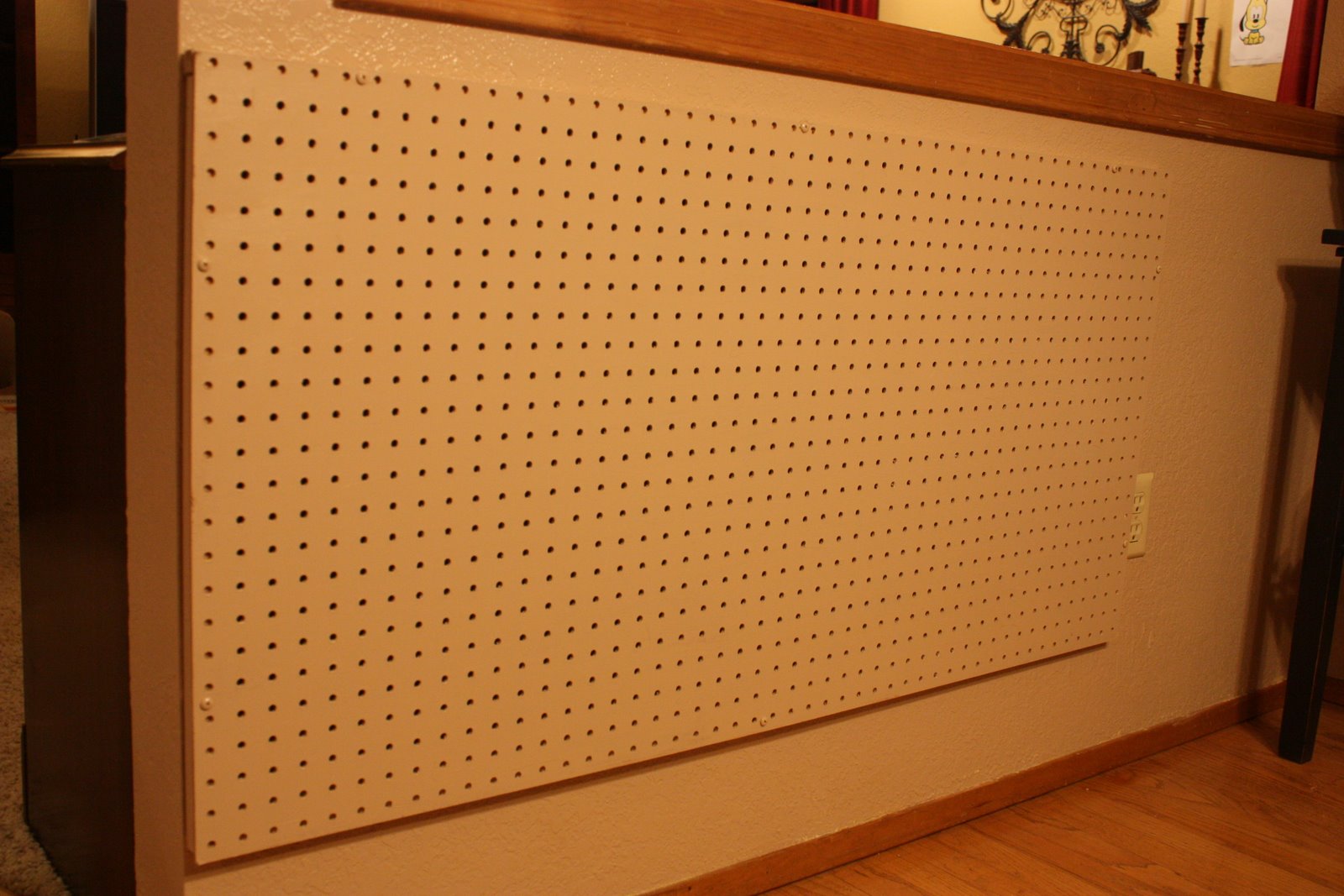
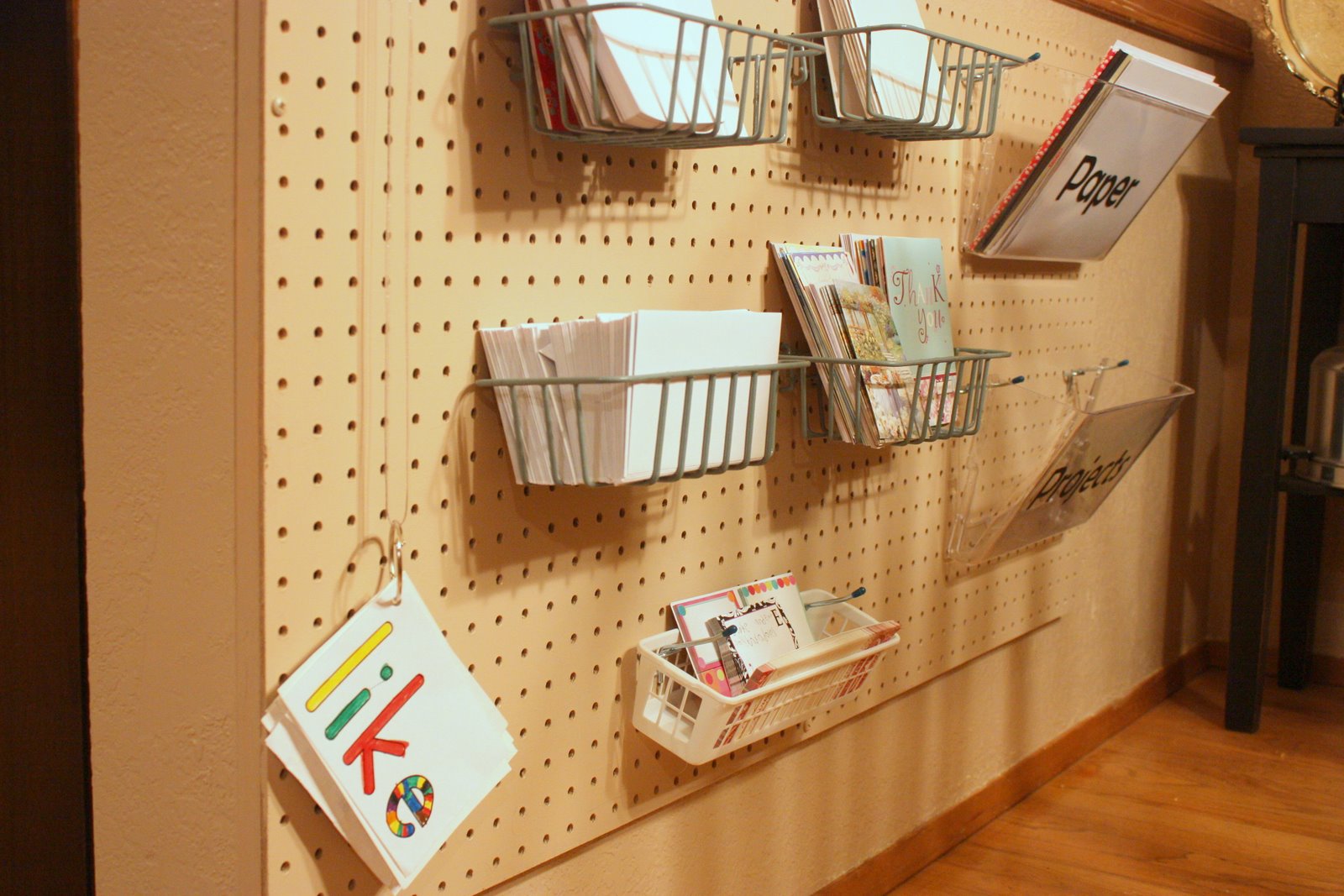
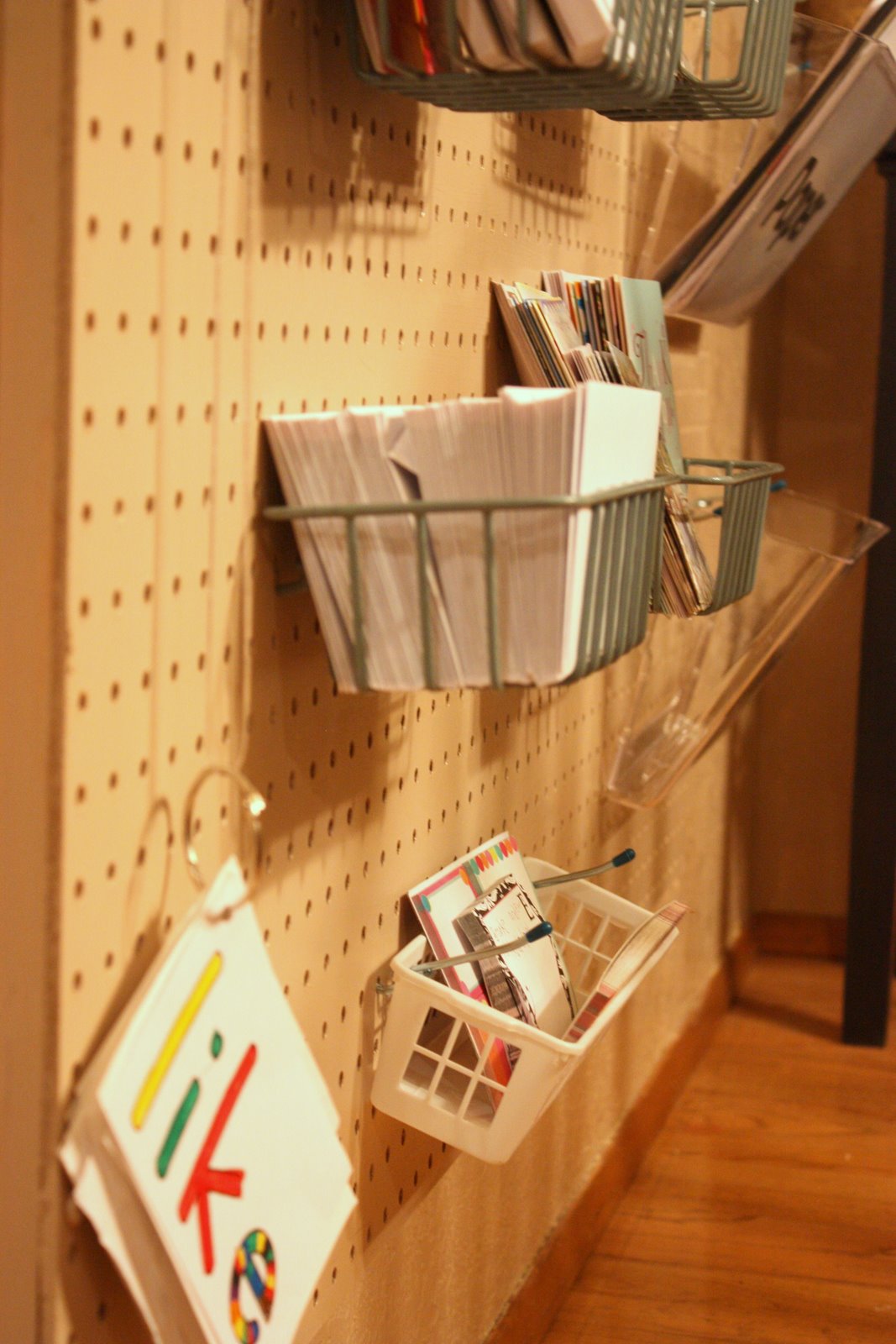
We started with some pegboard and a little trim from Lowe’s.  The pegboard was precut to 2’x4′.  The nice people at Lowe’s can cut the trim, but I just cut mine with a hand saw.


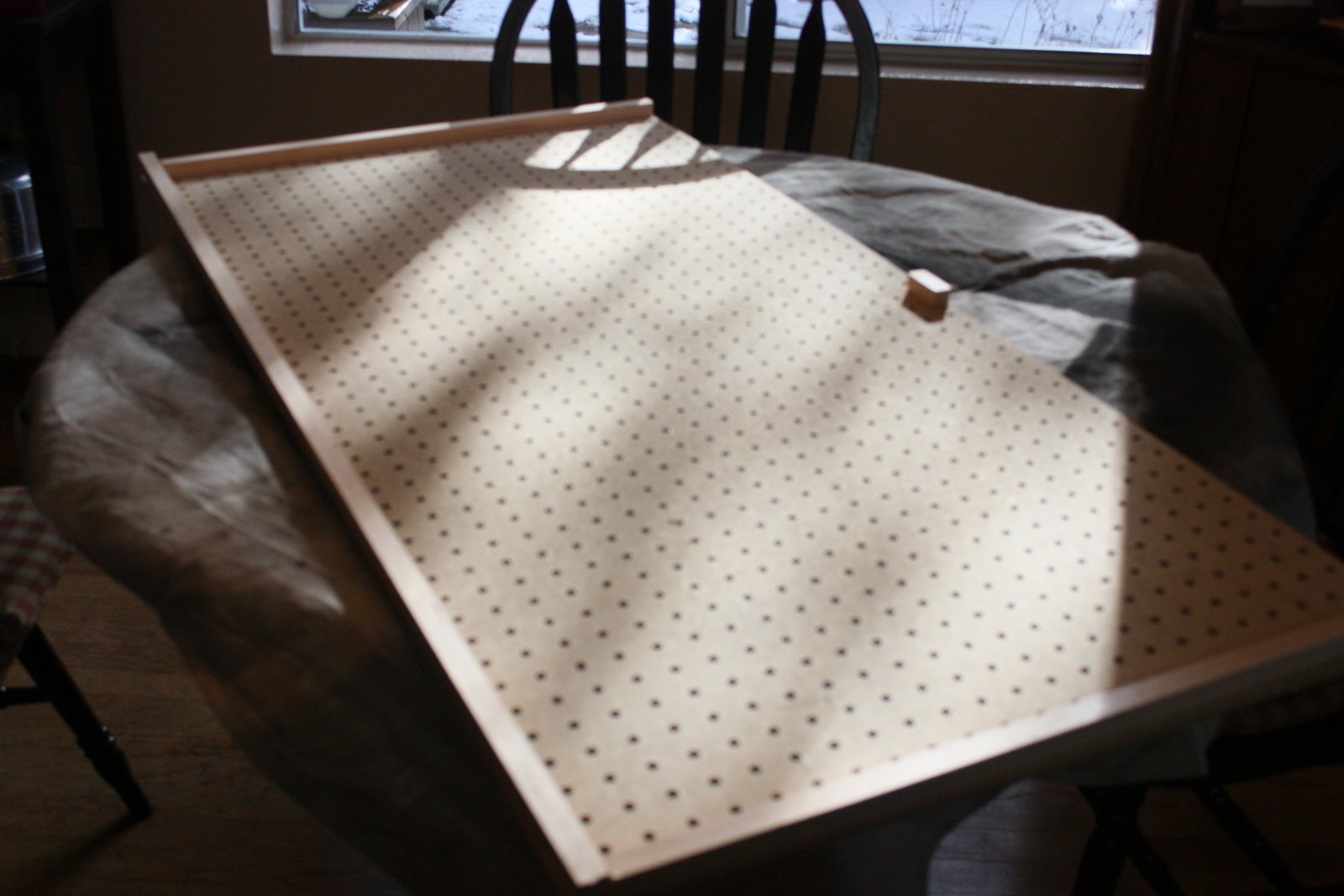
I made a frame to go around the edges.  In the interest of saving a few cents, I just used a small piece on the bottom.  No one will see the bottom and it just needs to be pushed out from the wall a little.


I drilled pilot holes in the pegboard and trim, to keep the wood from splitting.


I bought a few accessories in the pegboard department at Lowe’s.
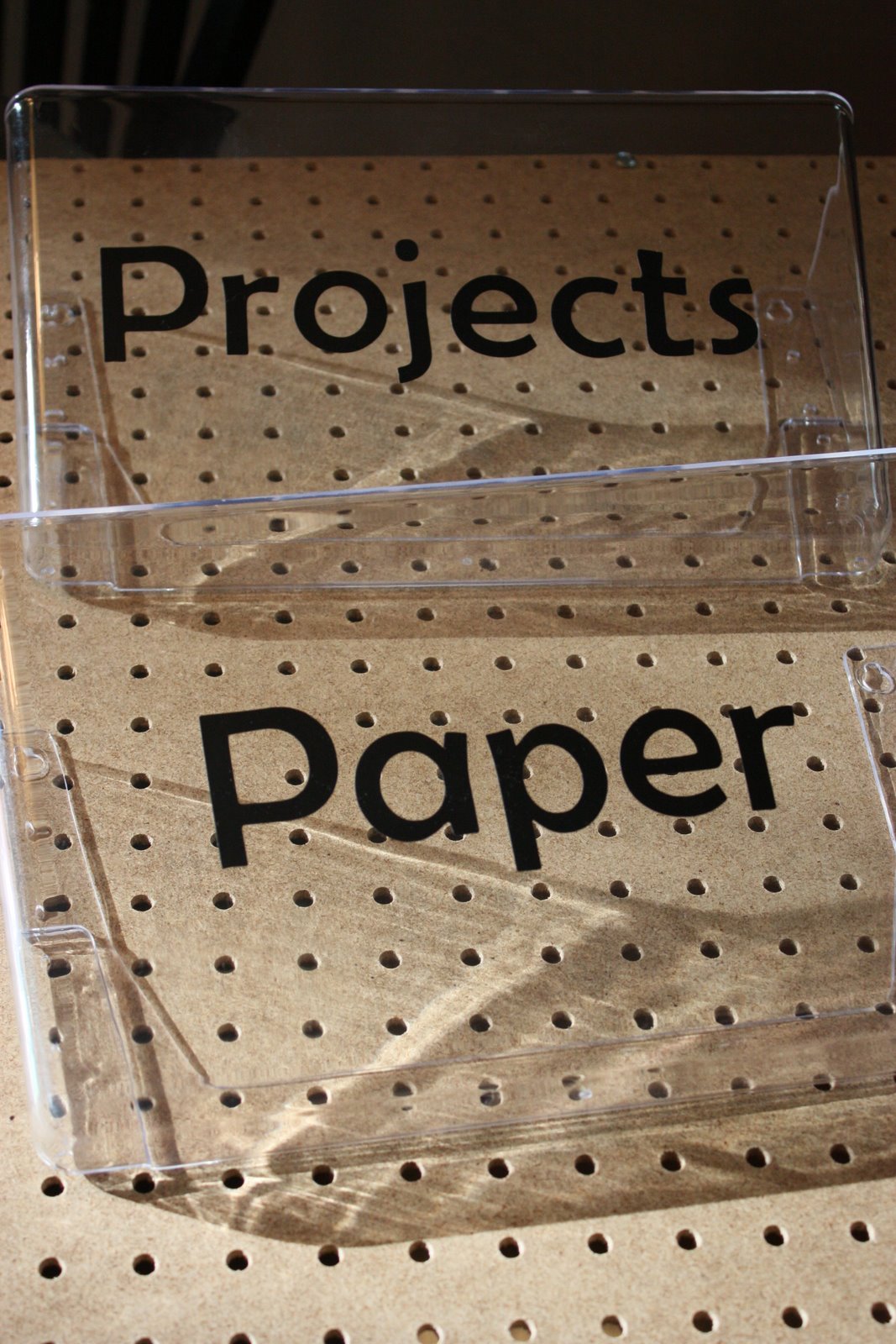
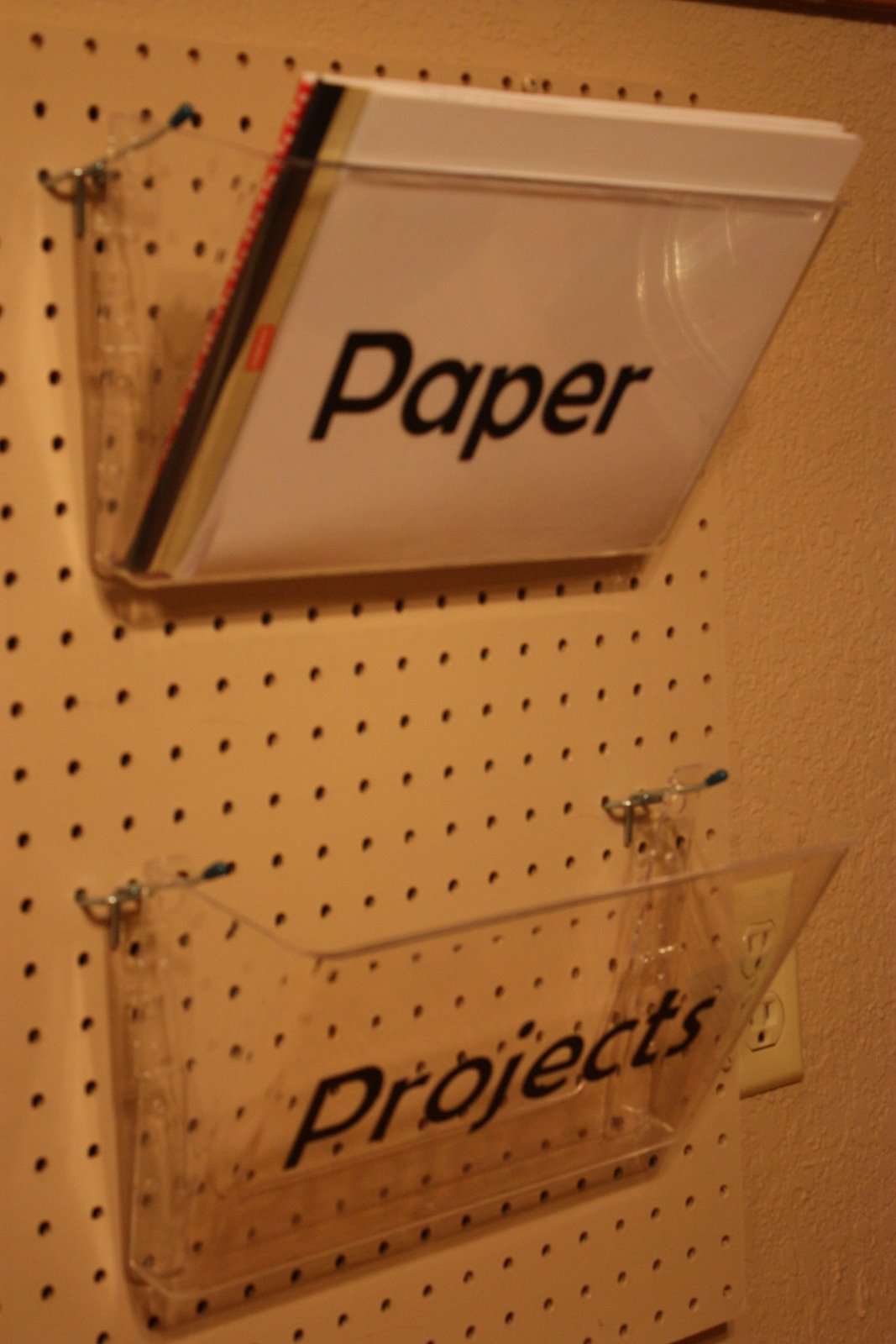
The clear wall file holders came from Staples.  I used my Silhouette to cut the vinyl letters.


I painted the board the same color as the wall.  I wanted it to blend in.


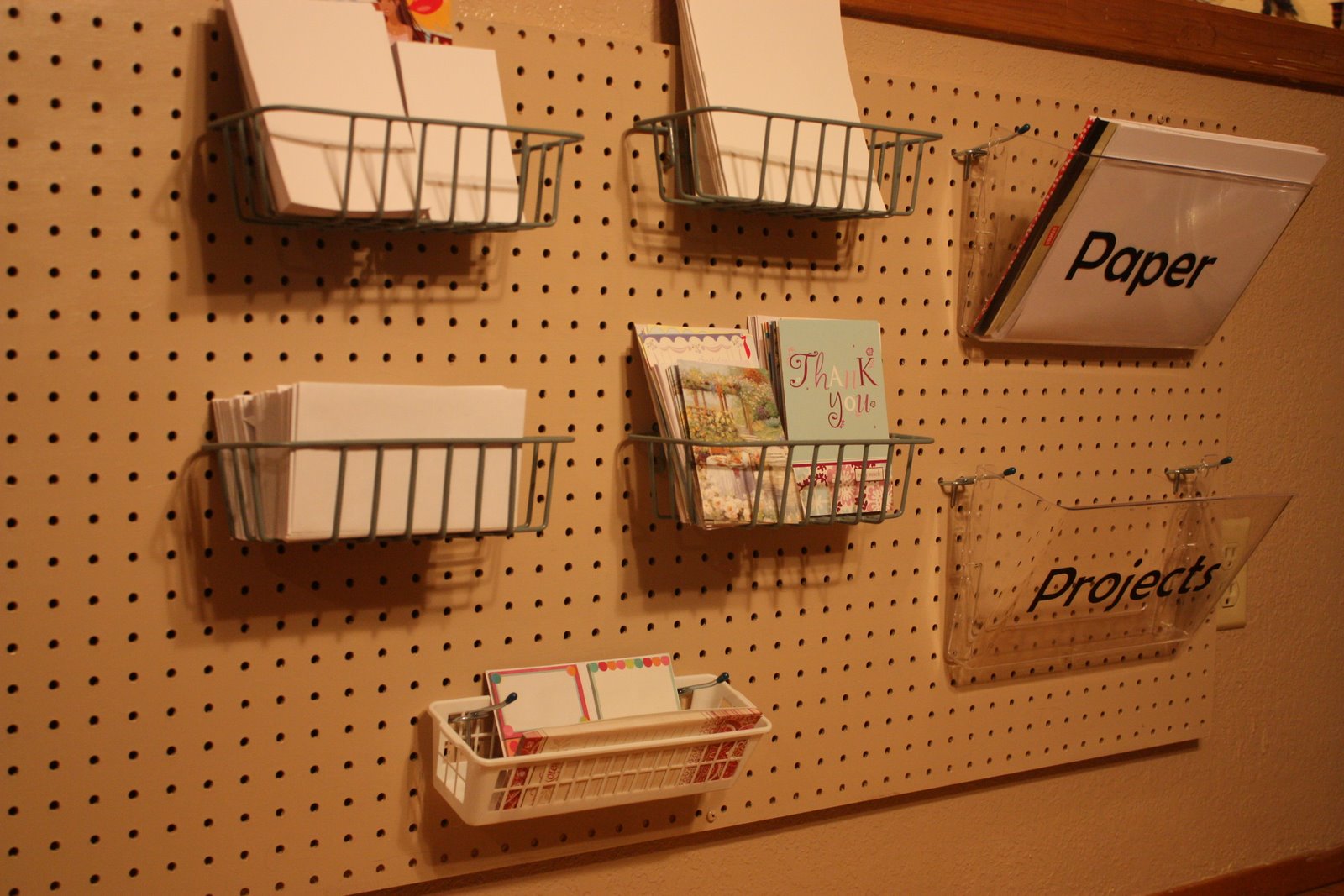
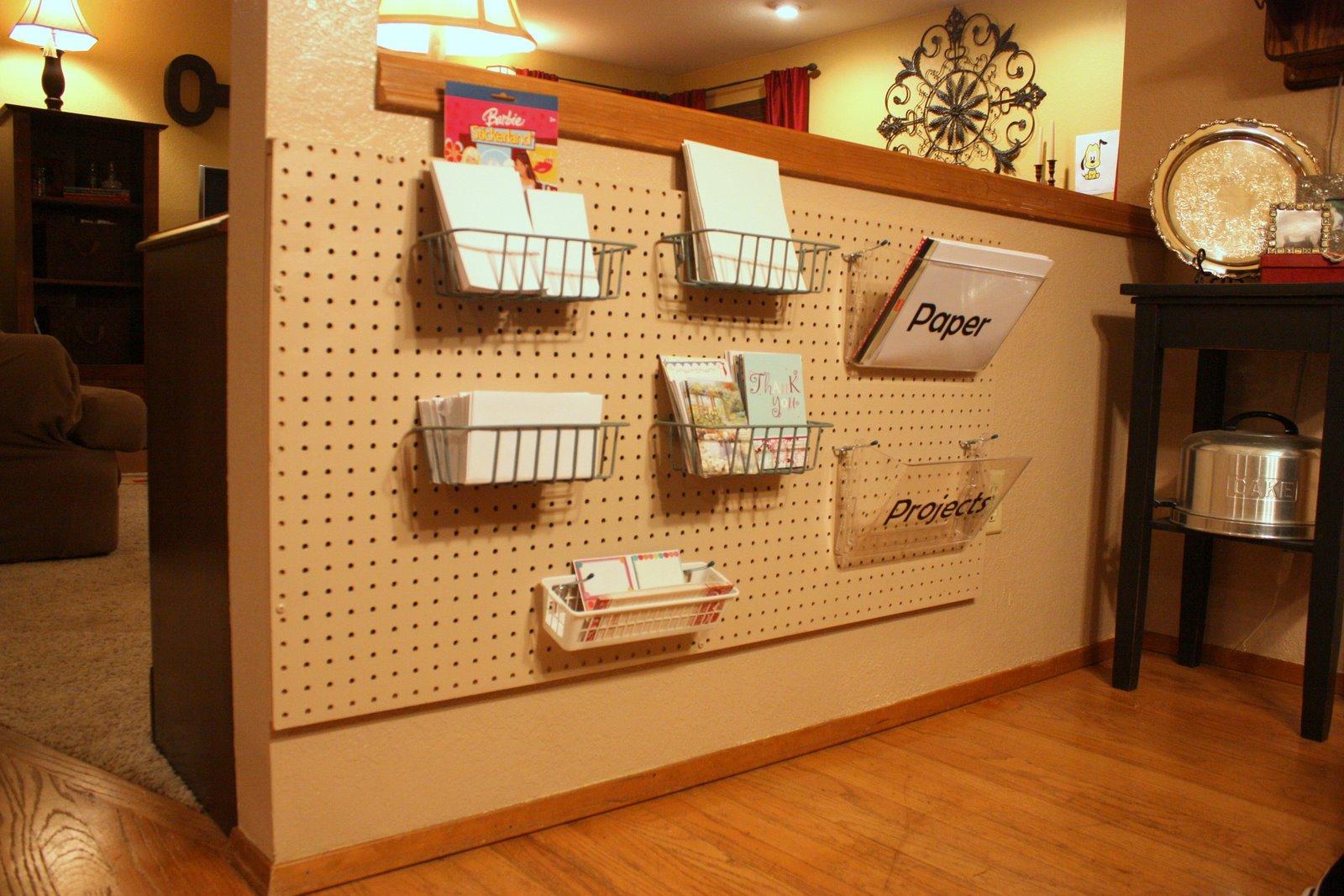
Then came the fun part.  The kids helped me add the bins.  I hit the dollar store on the way home and bought envelopes, sticky notes, blank cards, notepads, and stickers I also made a few blank books and put those in a bin.  My daughter is in kindergarten and loves to make her own books.


The two wall file bins are for paper and projects.  Blank paper is always a must in the writing center.  The project bin is for all of the works-in-progress.  We always have cards we are working on, books in progress, and letters that need addresses and stamps.


As a final touch, we added a hanger for sight words.  My daughter’s teacher sends her sight word cards home as they learn them in class.  This will be a great tool to have close by!


The new writing center was used within the first 2 minutes of completion!
Happy writing! 

Posted by Picasa

Filed Under: Writing Tagged With: activities at home, Home Environment, Home Organization, Writing, writing at home

Connecting Animals and Children In Early Childhood

February 13, 2016 by Becca Leave a Comment

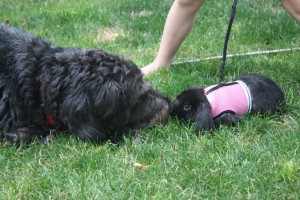
I’ve always been an animal lover.  I was that little girl who brought home stray cat after stray cat.  My mom still reminds me of the day that I stood on the front porch and cried, “Her bones are sticking out!  Can we keep her?”  As an adult, I still have animals around my house but it’s a little different these days.  My husband grew up in a house where three quarters of the household had pet allergies.  The first pet he ever owned was the yellow lab we got when we bought our first house.  These days, we have a very large Laboradoodle and a Holland Lop rabbit.

Cooper and cookie


This is Cookie.

Cookie bunny

Here’s Cooper.

IMG_3419

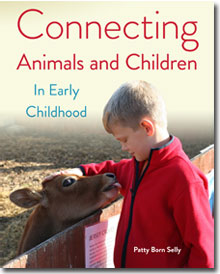
Last year, when I was at the NAEYC (National Association of Educators of Young Children) conference, I picked up a book called Connecting Animals and Children in Early Childhood.  It’s written by Patty Born Selly.  I was drawn to this book because I’ve always believed in making sure my own kids have experiences with animals and I’d love to find more ways for my students to engage with animals.

Connecting Animals and Children

This book really gets at the heart of why children are so interested in animals, how animal interactions can support children’s development, and how to create authentic experiences with animals.

While I would LOVE to have a house full of dogs and rabbits, with more farm animals out behind my house, my husband isn’t too fond of the idea of more than one dog and one rabbit.  I would have 2 dogs, 3-4 rabbits, lots of chickens, and maybe even a few goats if I had my way.  I don’t imagine that I will win this battle any time soon, so we have to take our animal experiences where we can get them.

We find animals out in nature.

IMG_3519

We check out local animal museums.

IMG_3497

And I can still convince my kids to go to the zoo or aquarium with me.

IMG_3495

Sometimes these experiences lead to questions and inquiry.  Other times we just read about the animals that we see at local exhibits.  Either way, we are constantly learning new things about the animals we see.

One day the boy in my class was looking through one of my Zootles magazines and saw a zebra.  His eyes grew wide and he came running over to show me the cool horse he had found.  He asked me what it was.  I was shocked.  Here was a little boy, 6 years old, who had never seen a zebra.  He had never read a book about a zebra, seen a picture, or even watched a tv show with zebras.  I asked him if he had ever been to the zoo and he asked what a zoo was.  This conversation with this little boy changed the way I think about experiences with my kids.  I’m so grateful that I have time and resources to do things and go places.  I want my kids to experience all life has to offer.  We take every chance we get to learn about and spend time with animals. My kids feed the pigs on my cousin’s farm, we visit the petting zoos in our area, care for our dog, and even got to go horseback riding last summer.

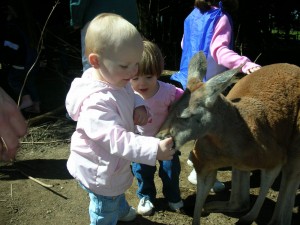
When it comes right down to it, we ALL simply enjoy spending with and learning about animals.  I got to hold the baby kangaroo at our local kangaroo farm!  (Oooh, maybe I should add a kangaroo to my backyard wishlist!! That way chickens don’t sound like such a bad idea to my hubby!)

baby kangaroo

There is just nothing better than seeing your kids show love and appreciation for animals.  It melts my heart and I know these experiences will stick with them for a lifetime.

kangaroo

How about you?  What do you do to help connect your children or students in your classroom to animals? Head over to my Facebook page and share the animal experiences you have with your kids!


Filed Under: Experiences Tagged With: Animal Experiences, early childhood, Experiences, literacy

The Mitten: A Felt Story Retelling

February 13, 2016 by Becca Leave a Comment

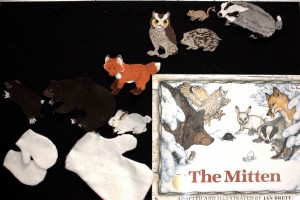
I think every early childhood teacher in the country uses Jan Brett’s books in the Winter.  I love The Mitten!  It is one of those absolute-must have  books for the kindergarten classroom.  A few years ago I was lucky enough to have a wonderful parent in my classroom who was incredibly talented.  She saw that I used felt board stories quite often and offered to make a few for me.  She started with The Mitten.

The Mitten felt board

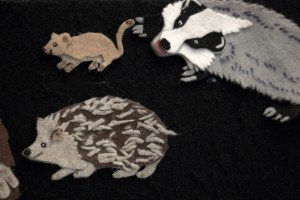
Her work was amazing!  Each animal was made of felt pieces, stitching, and a little bit of detail was added with Sharpies.  I can’t wait to share this story with my students each year.

The Mitten Characters

I use felt board stories in the classroom all the time.  Story retelling is one of those things that I work on all year with my students.  First, and foremost, we are working on comprehension.  When kids are listening to (or reading) a story, we want them to be focused, rather than letting their minds wander.  Comprehension is our main purpose for reading.  Without comprehension, why bother spending your time reading?  After we read a story, we spend time retelling the story to deepen our comprehension.

In addition, retelling is a form of reading for young children. We often see kids grab a familiar book and retell the story using the pictures in the book and the language that they remember from hearing it.  Often times, parents will come to me and say, “My child isn’t actually reading the words.  They are just retelling the story from memory.” I always tell parents that this IS reading for young children.  They are demonstrating so many wonderful skills that they have learned to use as a reader.  This form of retelling helps kids organize and describe a sequence of events, develop oral language, and understand the concept of plot.  All of these literacy skills are part of retelling!

Obviously, you can always have your child retell the story after reading a book but there are plenty of other ways to get kids retelling.

*Felt board stories: 

Have your child create his or her own felt board pieces that go along with a story.  Some felt, Sharpies, and scissors are all you need.

*Story stones:

Draw pictures on river rocks to represent characters, setting, and significant events.  You could also print pictures from your computer and Mod Podge these onto rocks.

*Finger retelling:

I use finger retellings all the time in my class.  I have the kids hold up five fingers and point to each finger.  Each time they point to a finger, they tell something that happened in the story.  This is also the strategy I use to help kids plan out stories they want to write.

*Puppets or props:

When my daughter was in kindergarten she came home with stick puppets (copied and colored pictures of the characters, glued onto popsicle sticks) of the 3 Billy Goats Gruff.  For the next few weeks, I would find her in different places around the house saying, “Trip trap, trip trap.  Who’s that trip trapping over my bridge?”  You don’t need a fancy puppet theater or expensive puppets to make this happen at your house!

*Writing their own book:

Blank books are a staple in my classroom and at my house.  After reading a story a few times through, have your child create their own version of the book with their own words and illustrations.  You can even point out that Jan Brett was not the original author of The Mitten.  It’s actually an old Ukranian folktale that she rewrote and created beautiful illustrations for.

Winter is winding down here in the Pacific Northwest, but it’s not too late to break out a few books from a favorite children’s author and illustrator who loves to write books in snowy settings.  I highly recommend starting with The Mitten.  You will probably enjoy it as much as your kids!

Happy reading and retelling!


Filed Under: Favorite Books, Language Development, Reading, Uncategorized Tagged With: Books We're Reading Now, favorite children's books, Jan Brett, Language Development, Reading

  • 1
  • 2
  • 3
  • …
  • 25
  • Next Page »
googleplusinstagrampinterest facebooketsy Teachers Pay Teachers

Search this site

Archives

Scrappin’ Doodle Affiliate


”i
One Artsy Mama
For the Kids Friday
I Can Teach My Child

Copyright © 2026 · Early Childhood Literacy on Genesis Framework · WordPress · Log in